


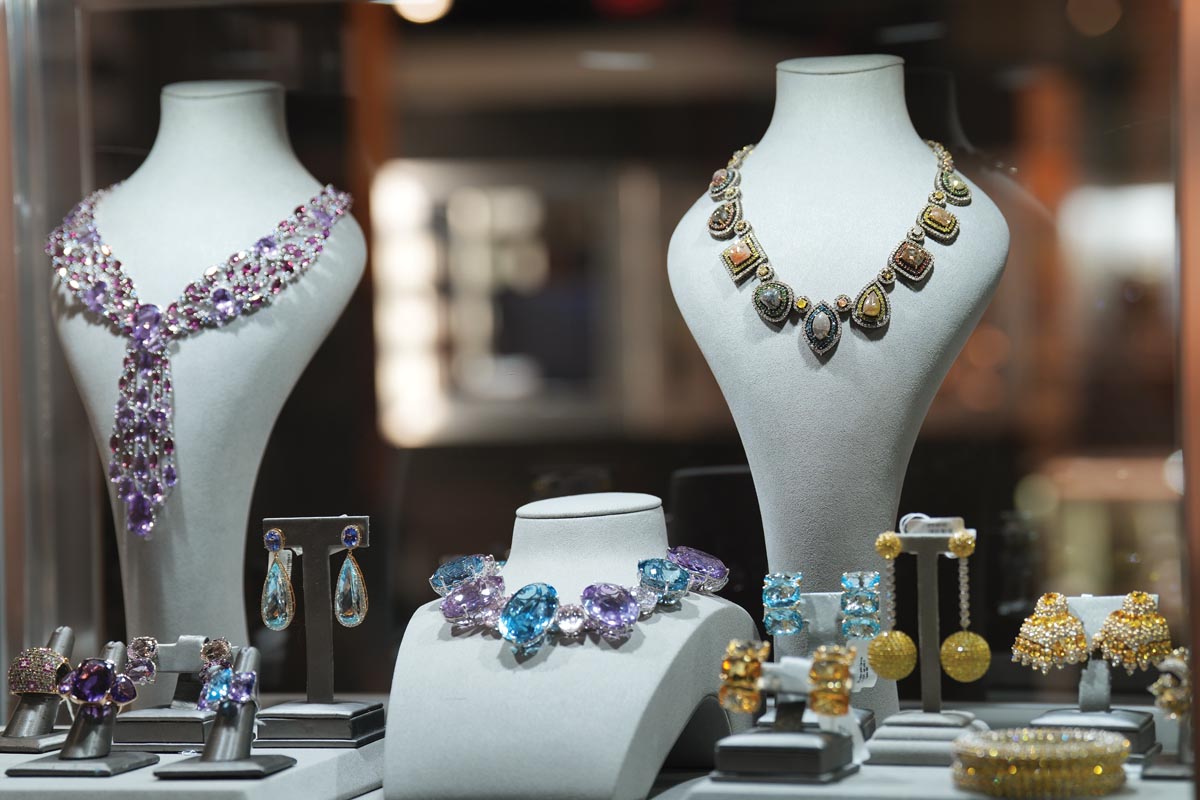
As the social calendar pivots toward the season’s premier jewelry shows, collectors and enthusiasts are asking themselves the same fundamental question: How do I navigate a market defined by stratospheric metal prices and shifting aesthetics?
Despite gold hovering at record highs, precious metals remain well worth buying—provided you shop with intention. Rather than paying a heavy retail markup for mass-produced, lightweight contemporary inventory, smart collectors are shifting their capital toward vintage and antique pieces. In the secondary market, you aren’t just paying for the raw weight of the metal; you are acquiring superior craftsmanship, historic provenance, and artistry that modern production simply cannot replicate at a comparable price point.

Demand is currently anchored by signed pieces from mid-century and late-twentieth-century masters. Creations by houses like Cartier, Van Cleef & Arpels, and David Webb—alongside bold, tactile yellow gold statements from the 1970s and 1980s—are dominating the conversation. Buyers are favoring physical weight, architectural presence, and organic, sculptural silhouettes over sterile minimalism.
While blue-chip signed pieces command fierce competition, savvy buyers can still find remarkable value in the “sub-signed” or quality unsigned category. Look for Victorian and Edwardian cluster rings, finely made retro-era gold mesh bracelets, and Georgian or Victorian rivière necklaces. These items not only offer exceptional historical charm and intricate handwork, but they often trade at a fraction of the price of their contemporary branded equivalents while still holding their intrinsic worth.

When you step onto the floor at the upcoming exhibitions, keep a few rules of engagement in mind. While a prestigious stamp is a strong store of value, don’t overlook unsigned masterworks from the same era, always prioritizing condition, originality, and clear hallmarks over a marquee name. Seek out convertible pieces (such as clips that transform into pendants or interchangeable sections that alter a necklace’s length) because flexibility translates directly to high utility and cost-per-wear value. Finally, always examine the under-galleries, prongs, and clasps with a loupe. Quality vintage construction means sturdy box closures, safety catches, and hand-finished joints that speak to durability.
Ultimately, the smartest acquisitions aren’t dictated by temporary fads. Center your search around weight, character, and permanence—elements that ensure your collection remains brilliant long after the tents come down.