


Everyone knows the feeling of being thrown into the deep end. But what do you do when you’re tossed in without knowing how to swim—or even what swimming is?
For Joan Lunden, the answer has always been clear: you either sink or float. That mindset propelled Lunden, now a part-time resident of West Palm Beach, into the national spotlight as co-host of Good Morning America (GMA) from 1980 to 1997. In her latest memoir, Joan: Life Beyond the Script, she reflects on life’s grand transitions and how she’s faced her own with grace, guts, and the kind of candor that only comes from spending thousands of hours on live TV.
“I’m really into chapter titles, and I’m really, really into quotes,” says Lunden. “There’s a quote in the book that you don’t have to see the whole staircase; you just have to take the first step. That’s so important for people to hear. When I left GMA, I couldn’t see the whole staircase. And I took a bunch of steps here and there to figure out which staircase I actually wanted to go up.”
There have been many reinventions across Lunden’s 76 years, some professional, others personal, most shared on camera in some way.
Joan Lunden was born Joan Blunden in September 1950, the youngest child of Dr. Erle Murray Blunden, a surgeon, and his wife, Gladyce, a homemaker. When Lunden was 13, her father—an avid aviator—was killed in a plane crash. Her mother was left to pick up the pieces.
“I watched her redefine herself and figure out what she was going to do,” Lunden says of her mom, who went into real estate to support the family. “She had to raise my brother and me alone. I watched her do that with real grit, resilience, and determination. And it was not easy. I don’t think I realized at the time how not easy it was.”
Tamela Rich, co-author of Joan: Life Beyond the Script, notes that how Lunden’s mother handled this devastating hurdle greatly influenced the rest of her life.

“After sitting with Joan for hundreds of hours, it became very clear to me that her mother’s philosophy and example emboldened her to begin by saying yes,” Rich says. “To understand Joan, you must understand this formative experience of her childhood. Another girl might have shrunk into herself, but Joan became fiercely determined to grow up quickly, get on with life, and face whatever it threw her way.”
Lunden persevered, graduating from high school early and starting college at age 16. After living in Mexico for a few years, she returned to her home state of California and launched her own modeling school. Around then, a family friend suggested she consider a career in broadcast journalism.
“I think all my mom’s friends saw me as this unusual go-getter,” Lunden says. “It seemed like such a harebrained idea at the time. In 1973, I was 23, and Barbara Walters was really the only woman [in broadcast journalism] that you saw on TV.”

But she did more than consider, eventually calling the news director at KCRA in Sacramento and landing a succession of jobs at the station: from Sacramento’s first weather girl to KCRA’s first consumer reporter to anchor.
“I always tell young people, ‘How did I turn that into what I turned it into? I was everywhere in that newsroom. I was doing everything,’” Lunden muses. “My motto had become, whenever anybody asks you to do something, just say yes and figure out how to do it.”
Hard work notwithstanding, Lunden admits that she benefited from good timing and important cultural shifts. By the mid-1970s, women were becoming increasingly visible in broadcast journalism, with pioneers like Walters leading the charge for a new generation of female anchors and reporters. Lunden’s ambitions rose with that tide.
“All the other people in [the KCRA] newsroom were totally pissed off, because I didn’t deserve it,” she says of her appointment as the noon news anchor. “But I was what the industry needed at that moment. I wasn’t really welcomed with open arms, because all those men had worked their way up at newspapers and radio stations. But it was just that moment in time when a woman had an opportunity. If you got in and did it well, you could advance yourself.”
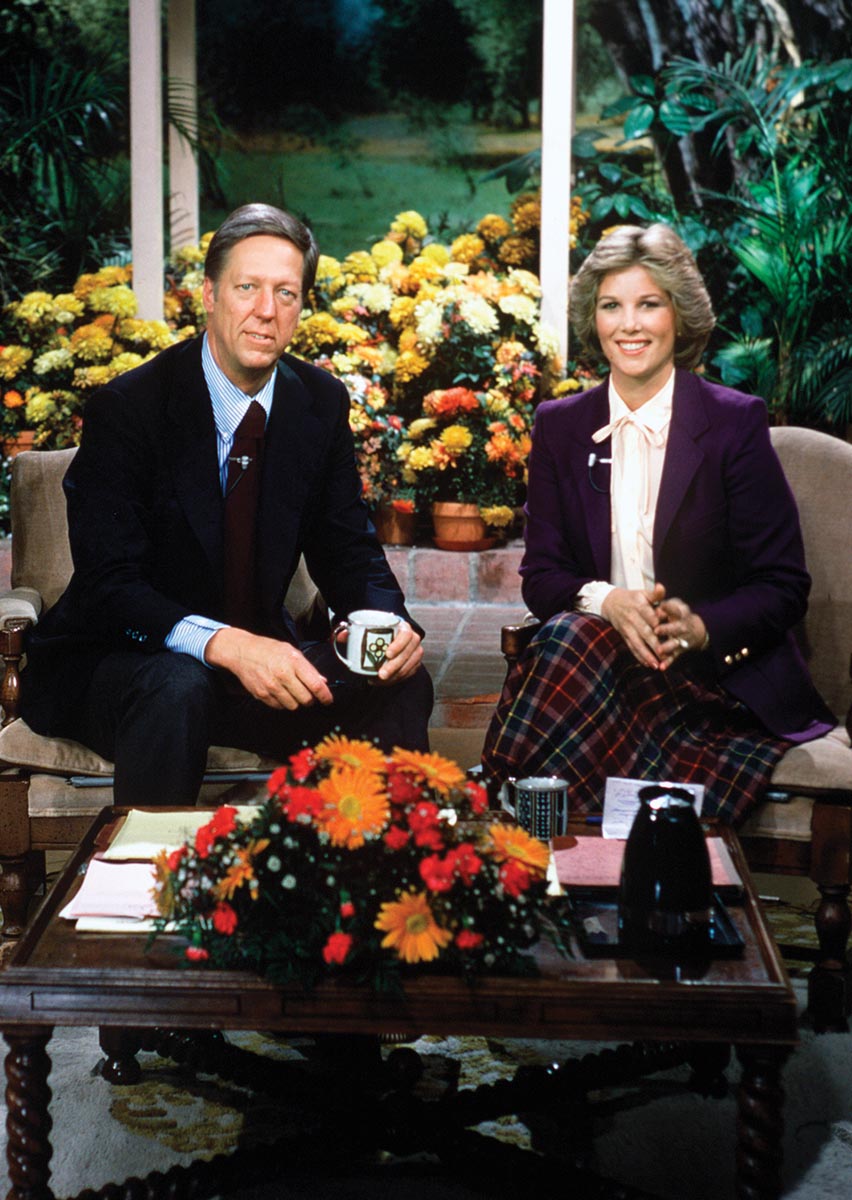
Soon, stations across the country took notice. In 1975, she took a job in New York City on WABC-TV’s Eyewitness News, serving as the signature “blond California girl” in the program’s growing pool of reporters who represented the diversity within the market. (This was also when she changed “Blunden” to “Lunden” to avoid any chance of being called “Blunder.”) Shortly thereafter, she became co-anchor of the weekend newscast and began appearing as a reporter on GMA. Then, in 1980, she received two almost concurrent calls that would change her life.
The first came from her agent, who said the executives at ABC had just offered her the position of co-host on GMA alongside David Hartman. The second came from her obstetrician, who told her she was pregnant with her first child.
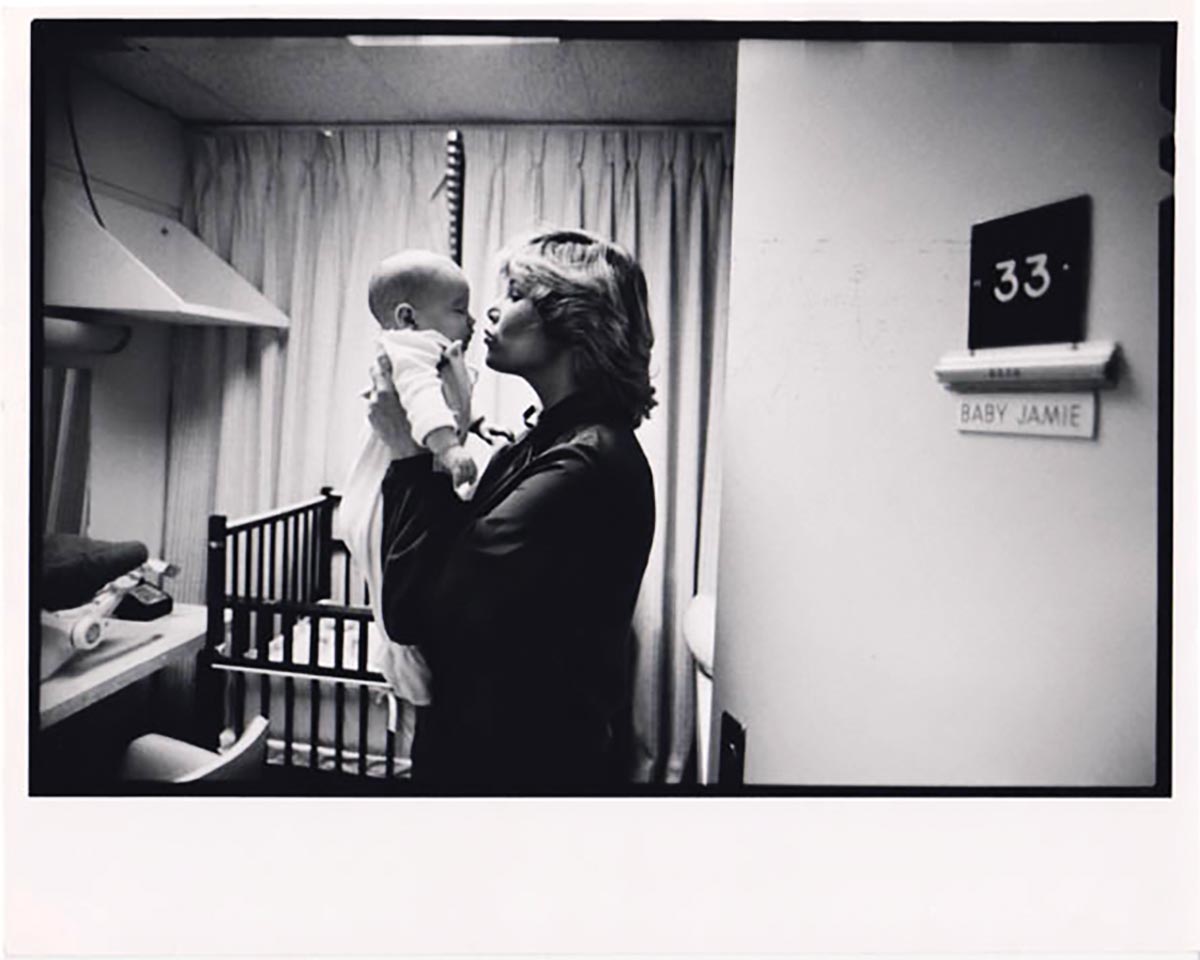
“A lot of people probably would have said, ‘Oh damn, bad timing,’” Lunden says. “I thought, ‘Okay, how do I do these two things together?’ I just had the audacity to say to my agent, ‘I need you to go in there and ask if I can bring my baby to work because I’ll be breastfeeding.’”
While it may not have felt like it at first, timing was in fact on Lunden’s side once again. On GMA, she was open about her role as a new mother, something she believes made her instantly relatable to the predominantly female audience.
“[Viewers] knew I was there every morning,” she explains. “They knew I had read my research. I was doing good interviews. But they also knew I had breast pads under my blouse, and I was dealing with spit-ups and dirty diapers, just like them. I think I bonded with the American audience more quickly as a brand-new host than any female could ever have.”
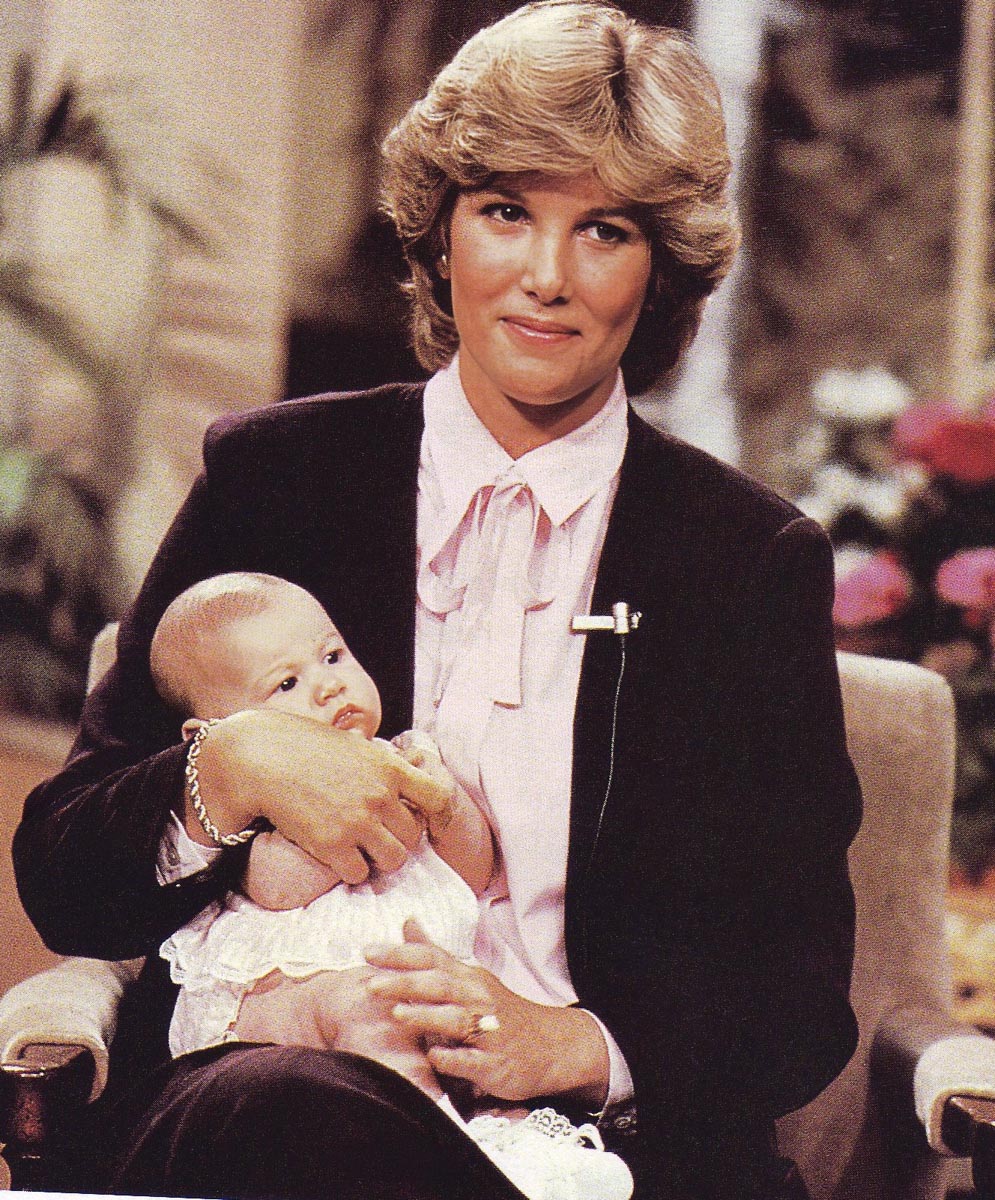
All three of Lunden’s daughters spent their first six months accompanying her on set. They returned often as they grew older and would even go on reporting trips with their mom. When they weren’t physically with her in the mornings, they could always watch her on TV—until they changed the channel to a cartoon, Lunden shares with a laugh.
“The people who worked on set at GMA truly were part of the family who raised us,” says Lunden’s oldest daughter, Jamie Hess, herself a media personality, keynote speaker, and author of the book The Gratitude Shift, slated for release November 10. “It was this incredible, very familiar, homey experience. But then, we would be meeting one of our icons like [gymnast] Nadia Comaneci or chatting with Henry Kissinger.”
Now a mother of two boys, Hess says watching her mom pursue a demanding career while also being present for her children was inspiring. “She was a trailblazer,” Hess adds. “She set the tone for being a working mom. We always knew that we were important, but she was really intent on letting us know that work is important too. She would say, ‘I hope you have a career one day that makes you feel as inspired to show up and do your best.’”
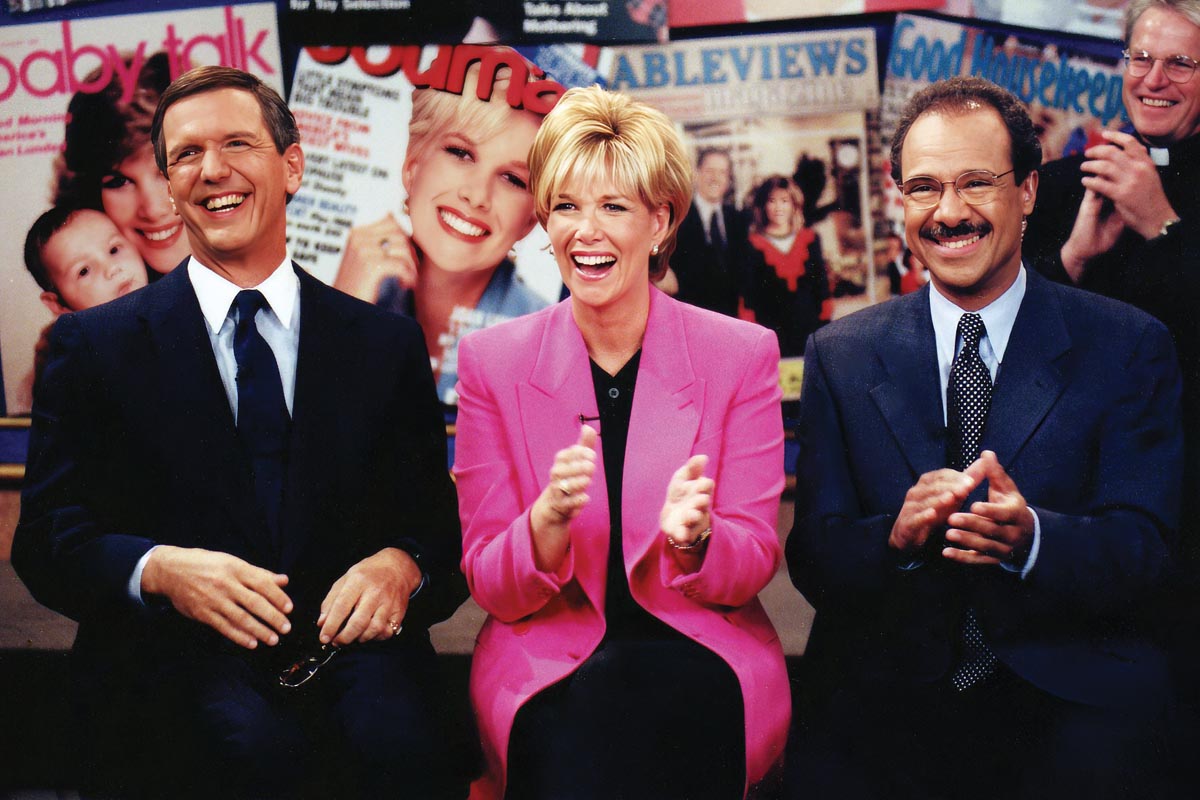
While Lunden was forthcoming about motherhood on camera, she personally struggled with how much to assert herself in a field still dominated by white men. In her new memoir, she writes about straddling the line between being “an assertive and professional female journalist and not being seen as too assertive.” Some of the earliest advice she received came from one of her role models, Barbara Walters.
After an interview, as Lunden describes, Walters took her aside and told her: “‘I want to give you some advice. Do not fight for equality here. That time has not come. It hasn’t come for here, and it hasn’t come for society in general. So, if you push for equality and are too assertive and too aggressive, you’re going to end up exactly where your two predecessors ended up: right out the door. Take every small story they give you and make it shine. Make it special. Make it noticeable. And that will make your role grow.’ And that’s what I did.”
During Lunden’s 17 years at GMA, she cultivated a signature style shaped by her innate curiosity, warmth, directness, adventurous spirit, and ability to pair journalistic rigor with emotional intelligence. But regardless of her clout, by the mid-1990s, the network was ready to make a change. She completed her run at GMA in September 1997, just two weeks before her forty-seventh birthday.
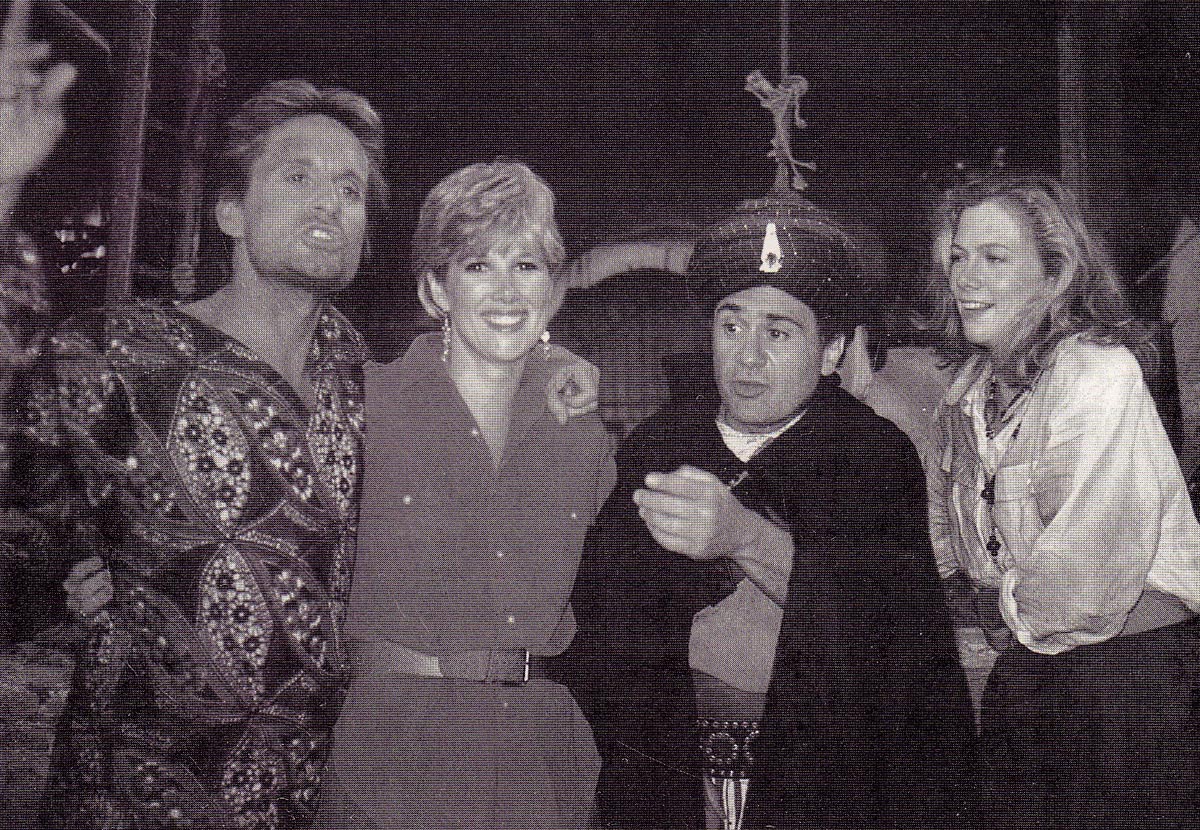
In Joan: Life Beyond the Script, Lunden is candid about her struggles finding her footing post-GMA. She continued working in television, hosting numerous shows including the documentary series Behind Closed Doors, which took her inside unusual worlds—from flying aboard a U2 spy plane to performing as a Las Vegas showgirl (still the most terrifying assignment of her career, she reveals). She also married her second husband, Jeff Konigsberg, and welcomed two sets of twins via surrogate. Throughout it all, she sought to answer two key questions: “How do you really want to make your mark on this world? What should you be spending the second half of your life on?”
“[Joan]’s emotional journey after Good Morning America feels especially instructive for readers who are losing jobs—and, with those jobs, often their sense of identity,” Rich says. “Her story demonstrates that reinvention is rarely clean or immediate. It can involve grief, anger, humiliation, uncertainty, and a profound loss of identity. But it can also lead to a life that is broader and more purposeful than the one you originally imagined.”

To forge her future, Lunden looked to her past—specifically, her dad, who was a cancer surgeon. Health has long been central to Lunden’s work. She covered medical stories frequently on GMA and has since championed numerous women’s health initiatives. When she was diagnosed with breast cancer in 2014, she decided to go public, chronicling her journey in Had I Known: A Memoir of Survival and even posing bald on the cover of People magazine.
Hess points to her mother’s “ability to have a rock-star reframe” as one of the reasons so many people relate to her. Lunden’s willingness to share her breast cancer experience was not just a way for her to connect with her late father, but to be a guiding light for millions of Americans who might be going through something similar.
“She has this incredible ability to find the silver lining and a way to be of service, and to make that her North Star,” Hess explains. “She’s handed that down to my sisters and me, and it’s really informed who we are as people.”
Today, Lunden measures success less by ratings than by the people she reaches through health advocacy and education. “That’s my role on this earth,” she says. “I’m a disseminator of information.”
Story Credits:
Photography assistant: Robert Sandell