


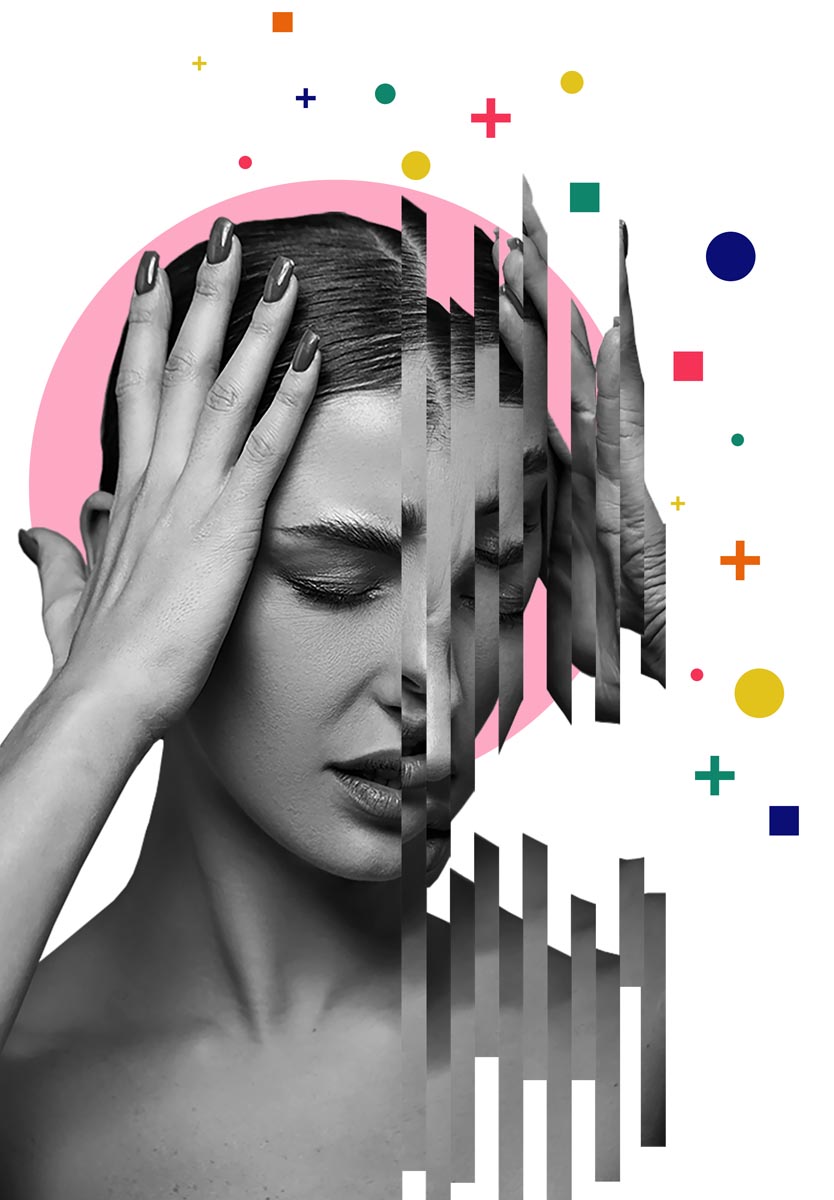
We all have something we want to work on. Not superficial issues like abs or aging, but the more rigid patterns of our soul and psyche. Most of us try to think our way out of these patterns. We talk, we analyze, we optimize. We assume that if we understand it, we can fix it. But mental health begins with the state of our nervous system. The body registers safety or threat long before the mind forms a story, and when the nervous system is dysregulated—stuck in fight, flight, or freeze—no amount of positive thinking can override it. Healing begins when the body feels safe enough to settle.
Somatics
Somatic therapy emphasizes the mind-body connection through “bottom-up” processing, using physical techniques to regulate the nervous system. An important player in all this is the vagus nerve, the primary parasympathetic pathway that connects the brainstem to nearly all major organs. Roughly 80 percent of its fibers carry information from the body to the brain, meaning your physiology is constantly informing your mental state. When vagal tone is strong, the body can shift more efficiently into a state of calm. If you feel your sympathetic nervous system start to engage a fight-or-flight response, stimulate your vagus nerve through slow breathing, humming, or walking.
Emotional Processing
Emotional stress triggers the same physiological cascade as physical danger: heart rate increases, muscles tense, digestion slows. When stress becomes chronic, these patterns can become habitual, reinforcing vigilance, tension, and fatigue. Fascia—the connective tissue network that wraps around muscles, organs, and nerves—is deeply innervated and responsive to stress. Over time, chronic tension can impact posture and movement, illustrating how the body keeps score not metaphorically but physically. Learning to identify and feel your emotions, acknowledge the discomfort, and breathe through it instead of bracing against it can help in the now and in the long run.
Co-regulation
Co-regulation is a biological process in which one person’s regulated nervous system helps to stabilize another’s. Through subtle cues like eye contact, posture, vocal tone, and breathing patterns, our nervous systems communicate directly via mirror neurons. From infancy, we regulate through caregivers, and this carries through to adulthood. Co-regulation is the foundation of secure relationships and a nonverbal way to shift out of fight-or-flight.

PB&J Cups
A lunchbox classic for the soul, with protein and fiber to support the nervous system
Ingredients (serves 4)
- 1/2 cup Greek yogurt
- 1/2 cup peanut butter (or other nut/seed butter)
- 1 cup rolled oats
- 3/4 cup strawberries, finely chopped
- 1 tbsp. chia seeds
- 1 tbsp. maple syrup or honey
- 3 tbsp. chocolate chips
- 1 tsp. coconut oil
Line a muffin tin with paper liners. In a bowl, mix the Greek yogurt, peanut butter,
and oats until fully combined. Divide the mixture evenly into muffin liners. Press firmly into the bottom and slightly up the sides to create a well in the center of each. In another bowl, stir the strawberries, chia seeds, and maple syrup or honey together until combined. Let sit for 5 minutes to thicken. Spoon the berry-chia mixture into each well. In a third small bowl, melt the chocolate chips and coconut oil together until smooth. Spoon over each cup, spreading evenly. Freeze for 1 hour until firm.